

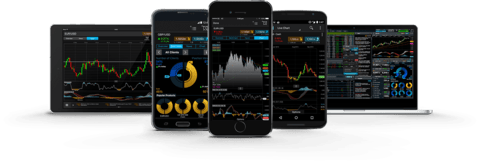
Contract for Difference CFD trading has gained immense popularity among both novice and seasoned traders due to its flexibility and potential for high returns. However, realizing the full potential of CFD trading requires a deep understanding of advanced techniques and insights. This article delves into the sophisticated strategies that can help you harness the power of CFDs and take your trading to the next level.
Understanding CFD Trading
Before diving into advanced techniques, it’s essential to understand what CFD trading is. A CFD is a financial derivative that allows traders to speculate on the price movements of various assets—such as stocks, commodities, indices, and currencies—without owning the underlying asset. The profit or loss is determined by the difference between the entry and exit prices of the contract.
CFD trading offers several advantages, including leverage, the ability to go long or short, and access to a wide range of markets. However, the high leverage also means higher risk, making it crucial for traders to employ advanced strategies to manage their trades effectively.
Advanced CFD Trading Techniques
1. Leverage Management
Leverage is a double-edged sword in CFD trading. While it can amplify profits, it can also magnify losses. Advanced traders use leverage judiciously by:
Setting Appropriate Margin Levels: Always ensure you have sufficient margin to sustain your positions. Avoid over-leveraging, which can lead to margin calls and forced liquidations.
Risk Management Strategies: Implementing stop-loss orders and take-profit levels can help manage risk and secure gains. Adjust these levels based on market conditions and volatility.
2. Technical Analysis
Technical analysis involves studying historical price data and chart patterns to forecast future price movements. Advanced techniques in technical analysis include:
Using Multiple Time Frames: Analyze charts on different time frames to get a comprehensive view of the market trend. For instance, use a daily chart to identify the primary trend and an hourly chart for entry and exit points.
Advanced Indicators: Go beyond basic indicators like Moving Averages and RSI. Incorporate advanced tools such as Fibonacci retracements, Bollinger Bands, and Ichimoku Clouds to enhance your analysis.
3. Fundamental Analysis
While technical analysis focuses on price patterns, fundamental analysis examines the underlying factors that drive market movements. Advanced CFD traders combine both approaches for a holistic view. Key aspects of fundamental analysis include:
Economic Indicators: Keep an eye on economic data releases, such as GDP, employment figures, and interest rates, which can significantly impact market sentiment.
Company Earnings Reports: For stock CFDs, analyze earnings reports, revenue growth, and other financial metrics to gauge a company’s performance and prospects.
4. Hedging Strategies
Hedging involves taking a counter-position to mitigate potential losses. In CFD trading, advanced hedging techniques include:
Pair Trading: Simultaneously buying and selling two correlated assets to profit from their relative performance. For example, if you expect Stock A to outperform Stock B, you can go long on Stock A and short on Stock B.
Cross-Asset Hedging: Use different asset classes to hedge your positions. For example, if you hold a long position in a stock CFD, you might hedge it with a short position in a related commodity CFD.
Insights for Successful CFD Trading
1. Stay Informed
Market conditions can change rapidly, and staying informed is crucial for successful CFD trading. Follow financial news, subscribe to market analysis reports, and participate in trading forums to keep up with the latest developments.
2. Continuous Learning
The financial markets are ever-evolving, and successful traders are those who continuously refine their skills and strategies. Attend webinars, read books on advanced trading techniques, and practice with demo accounts to enhance your trading prowess.
3. Emotional Discipline
Emotions can cloud judgment and lead to impulsive decisions. Develop a trading plan, stick to it, and avoid making emotional trades. Use tools like trading journals to track your performance and identify areas for improvement.
Conclusion
Unleashing the potential of CFD trading requires a blend of advanced techniques, continuous learning, and emotional discipline. By mastering leverage management, technical and fundamental analysis, and hedging strategies, you can navigate the complexities of CFD trading and unlock its full potential. Stay informed, keep refining your skills, and approach trading with a disciplined mindset to achieve long-term success.
