

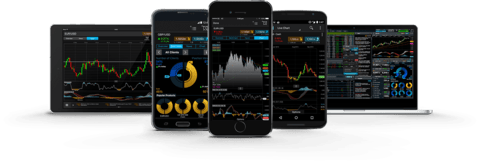
Commodity CFD trading are financial instruments that allow traders to speculate on the price movements of commodities without actually owning the underlying asset. This makes them a flexible and potentially profitable option for those interested in commodities like gold, oil, and agricultural products.
The Basics of CFDs
Before you jump into trading Commodity CFDs, it’s essential to understand how CFDs work. A CFD is essentially an agreement between a trader and a broker to exchange the difference in the value of an asset from the time the contract opens to when it closes. This means you can profit from both rising and falling markets, depending on your position.
Advantages of Trading Commodity CFDs
Leverage
One of the main advantages of trading Commodity CFDs is leverage. Leverage allows you to control a large position with a relatively small amount of capital. While this can amplify your profits, it also increases your risk, so it’s crucial to use leverage wisely.
Flexibility
Another benefit is the flexibility Commodity CFDs offer. You can trade a wide range of commodities, from metals and energy to agricultural products, all from a single platform. This diversification can help spread risk and open up more opportunities for profit.
Short Selling
Commodity CFDs also allow for short selling, meaning you can profit from falling prices. This is particularly useful in volatile markets where prices can fluctuate significantly.
Risks Involved
While trading Commodity CFDs can be lucrative, it’s not without risks. Due to leverage, even a small market movement against your position can result in significant losses. It’s essential to have a solid risk management strategy in place, including setting stop-loss orders and not risking more than you can afford to lose.
Choosing a Broker
Selecting the right broker is crucial for successful Commodity CFD trading. Look for a broker that offers competitive spreads, a robust trading platform, and excellent customer support. Make sure they are regulated by a reputable authority to ensure your funds are secure.
Developing a Trading Strategy
A well-thought-out trading strategy is essential for success. This includes technical analysis to identify trading opportunities, as well as fundamental analysis to understand the factors that drive commodity prices. Your strategy should also include risk management techniques to protect your capital.
Understanding Market Trends
Keeping an eye on market trends is vital for successful trading. Commodities can be influenced by a variety of factors, including geopolitical events, weather conditions, and economic data. Staying informed about these factors can help you make better trading decisions.
Using Technical Analysis
Technical analysis involves studying price charts and using indicators to predict future price movements. Common indicators include moving averages, relative strength index (RSI), and Bollinger Bands. These tools can help you identify potential entry and exit points for your trades.
Fundamental Analysis
Fundamental analysis focuses on understanding the underlying factors that affect commodity prices. This includes supply and demand dynamics, economic indicators, and geopolitical events. By combining both technical and fundamental analysis, you can get a more comprehensive view of the market.
Risk Management
Effective risk management is crucial for long-term success in Commodity CFD trading. This includes setting stop-loss orders to limit potential losses and using proper position sizing to ensure you don’t risk too much capital on a single trade.
Staying Informed
The commodity markets are constantly changing, so it’s essential to stay informed about the latest developments. Follow financial news, join trading forums, and consider subscribing to market analysis services to keep up-to-date with market trends.
Practice with a Demo Account
Before risking real money, it’s a good idea to practice with a demo account. Most brokers offer demo accounts that allow you to trade with virtual money. This can help you get a feel for the platform and test your trading strategy without any financial risk.
Conclusion
Trading Commodity CFDs can be a rewarding venture, but it requires knowledge, strategy, and discipline. By understanding the basics, choosing a reliable broker, and developing a solid trading plan, you can increase your chances of success. Stay informed, manage your risks, and practice regularly to master the art of Commodity CFD trading.
