

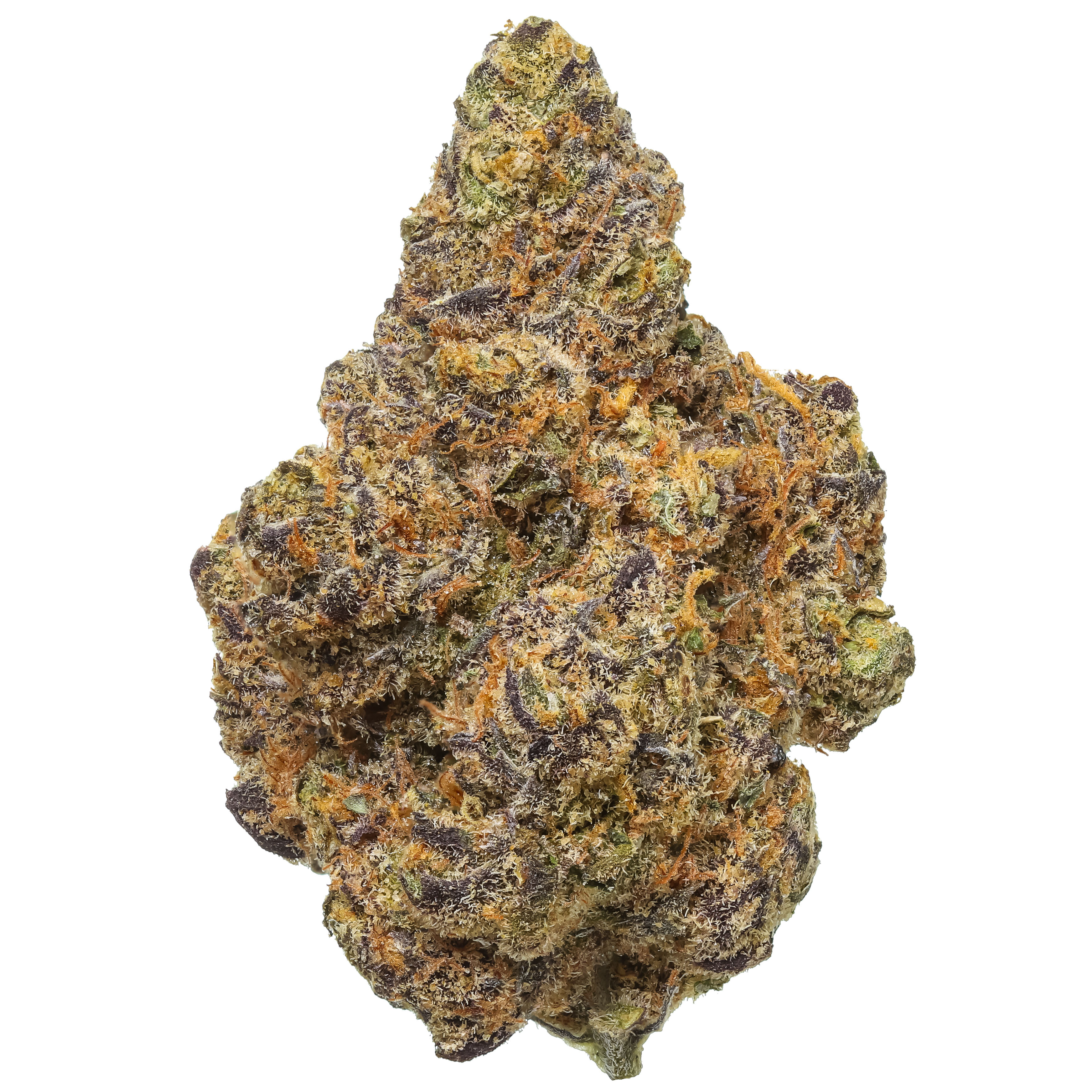
Houston, a city known for its progressive approach to healthcare and wellness, is witnessing a growing interest in the therapeutic potential of THCA (tetrahydrocannabinolic acid). This cannabinoid, found in raw and unheated cannabis plants, has garnered attention for its non-psychoactive properties and promising therapeutic benefits. This article delves into the therapeutic potential of THCA Houston, its applications, and the evolving landscape of cannabis-based treatments in Houston.
Understanding THCA: Nature and Properties
THCA is a precursor to THC (tetrahydrocannabinol), the psychoactive compound commonly associated with cannabis. Unlike THC, THCA does not induce psychoactive effects when consumed in its raw form. It exists abundantly in raw cannabis plants before heat is applied, such as through smoking or vaping, which decarboxylates THCA into THC.
Potential Therapeutic Applications
Research into THCA is uncovering its potential therapeutic applications across various health conditions. Studies suggest that THCA may possess anti-inflammatory, neuroprotective, and antiemetic properties, making it potentially beneficial for conditions such as:
• Inflammation: THCA has shown promise in reducing inflammation, which is linked to numerous chronic diseases such as arthritis and inflammatory bowel diseases.
• Neurological Disorders: The neuroprotective properties of THCA are being investigated for their potential in managing neurodegenerative conditions like Parkinson’s disease and multiple sclerosis.
• Nausea and Appetite Stimulation: THCA has demonstrated antiemetic properties, making it a potential treatment for nausea and vomiting, often associated with chemotherapy treatments. Additionally, THCA may help stimulate appetite, which can be beneficial for individuals undergoing cancer treatment or suffering from eating disorders.
Non-Psychoactive Nature
One of the key advantages of THCA is its non-psychoactive nature in its raw form. This characteristic makes it a viable option for patients who seek therapeutic benefits without experiencing the euphoric effects typically associated with THC. By harnessing the therapeutic potential of THCA, individuals can explore natural treatment alternatives that minimize psychoactive effects while maximizing therapeutic benefits.
Evolving Regulatory Landscape
In Houston, as in many regions, the regulatory landscape surrounding cannabis and its derivatives like THCA is evolving. State regulations govern the cultivation, distribution, and consumption of cannabis products, ensuring safety, quality, and compliance with legal standards. This regulatory framework provides a foundation for responsible use and medical research, supporting the integration of cannabis-based therapies into mainstream healthcare practices.
Patient-Centered Care and Education
Dispensaries and healthcare providers in Houston play a crucial role in patient-centered care and education regarding THCA and other cannabis-based treatments. They provide personalized guidance on product selection, dosage, and administration methods based on individual health needs and preferences. Education initiatives aim to inform patients and caregivers about the therapeutic potential of THCA, promoting informed decision-making and responsible use within the community.
Conclusion
The therapeutic benefits of THCA are becoming increasingly recognized in Houston’s healthcare landscape, offering potential relief for a range of health conditions while maintaining a non-psychoactive profile in its raw form. As research continues to uncover its full therapeutic potential and regulatory frameworks evolve, THCA holds promise as a valuable addition to the arsenal of natural treatment options available to patients. Houston’s progressive approach to healthcare and wellness positions it at the forefront of integrating innovative cannabis-based therapies, ultimately enhancing the quality of life for many residents.
Exploring the Therapeutic Benefits of THCA in Houston
